• Research only
GHK-Cu: copper peptide structure and research directions
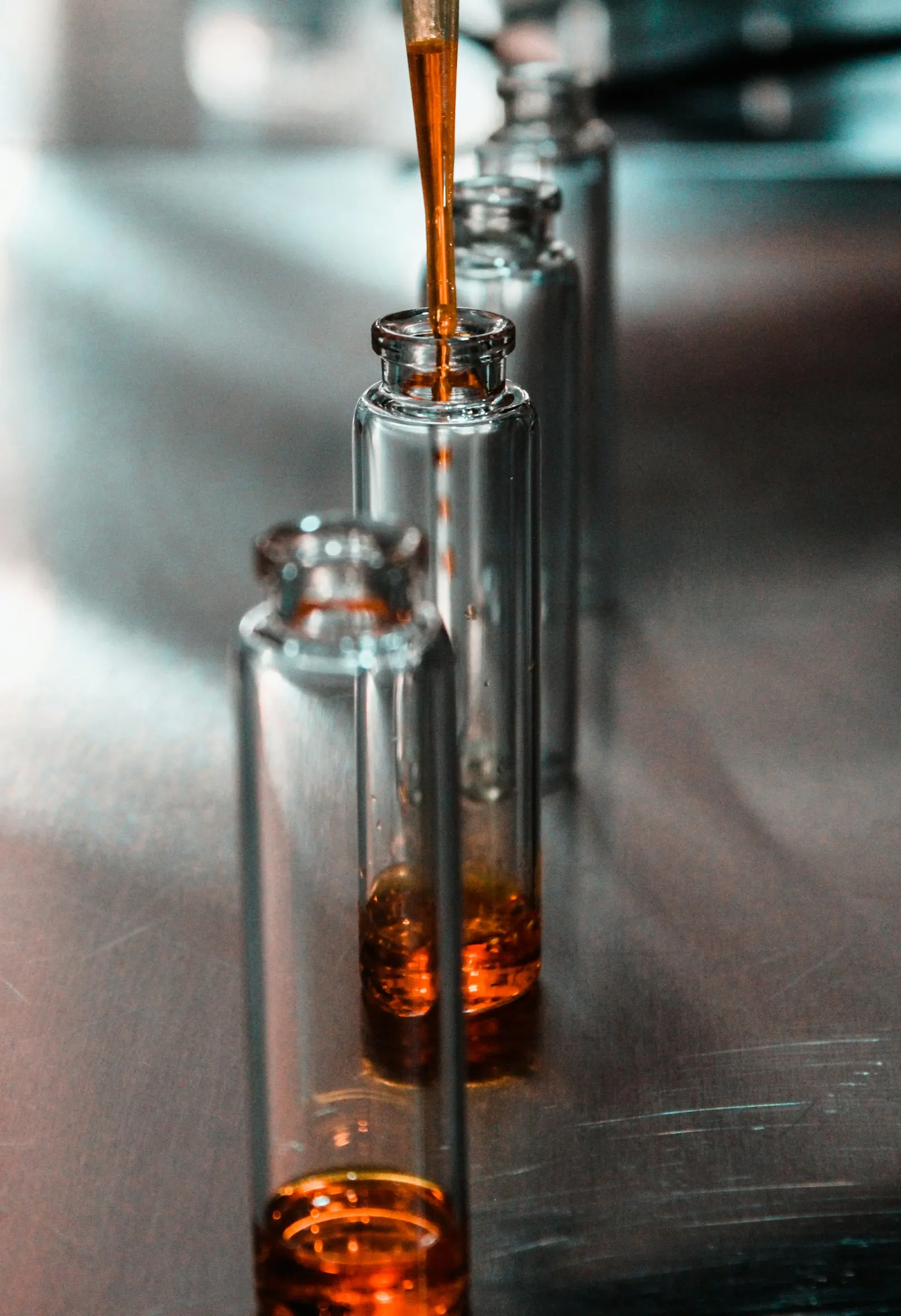
GHK-Cu is a complex of the copper(II) ion with the tripeptide glycyl-L-histidyl-L-lysine (GHK). GHK itself was isolated from human plasma in 1973 (L. Pickart), and was later found to bind copper ions very strongly. In cosmetic ingredient lists the same compound is known as Copper Tripeptide-1.
Structure
| Property | GHK-Cu |
|---|---|
| Sequence | Gly-His-Lys |
| Amino acids | 3 |
| Metal ion | Cu²⁺ |
| CAS | 49557-75-7 |
| Appearance | blue lyophilised powder |
Copper is bound through the histidine imidazole ring, the glycine amino group and a peptide-bond nitrogen. Because of the copper complex, the powder and solution are blue – this is normal.
GHK-Cu and AHK-Cu
AHK-Cu is structurally very close: the first amino acid, glycine, is replaced with alanine (Ala-His-Lys), and copper is bound the same way. In cosmetic lists it is called Copper Tripeptide-3. The two are often studied side by side to compare how a single amino acid change affects the complex.
Research directions
Most data are preclinical, from cell cultures and tissue models:
- extracellular matrix (collagen, elastin, glycosaminoglycan) synthesis in fibroblast cultures;
- copper transport and copper ion bioavailability;
- gene expression studies (GHK is described as changing the expression of many genes in cell models);
- analytical method development for metal–peptide complexes.
Storage and reconstitution
Keep the lyophilised powder dry and dark, and frozen for longer storage. Do not mix GHK-Cu with strong oxidisers or chelators (e.g. EDTA) – they can strip the copper from the peptide.
All LUXPEPTIDES products are for in-vitro laboratory research only. They are not medicines, food supplements or cosmetics and are not for human or animal use.